Simple Ways To Manage Dehydration Before The Arrival Of A Health Worker


For mild dehydration or while waiting for medical care for an adult with severe dehydration that is not due to heat stroke:
  • The person should try to drink 2 quarts of fluid, such as water, juice, or sports drinks, in 2 to 4 hours. But it is better to drink small amounts of fluid often, because drinking too much fluid at once can bring on vomiting.
  • The person should drink at least 10 glasses of liquid a day to replace lost fluids.
  • If the person is elderly, fluid replacement may need to be done slowly. Consult a health official.
  • If the person is vomiting, try ice chips, popsicles, and small sips of fluid.
  • If the person is recovering from diarrhea, consider that some sports drinks contain a lot of sugar, which can worsen diarrhea.
Seek the help of a qualify health worker if:
  • The person’s symptoms get worse or don't improve within 24 hours.
  • The person is elderly.
  • You think a prescription medication such as a diuretic caused the dehydration.
  • For mild dehydration, the person should rest for 24 hours and keep drinking fluids, even if symptoms improve. Fluid replacement may take up to a day and a half.
  • If dehydration is moderate to severe, fluids may need to be replaced intravenously (IV) in the hospital.

When Does Dehydration Become A Serious Cause For Concern?

Dehydration is a condition that occurs when the loss of body fluids, mostly water, exceeds the amount that is taken in. With dehydration, more water is moving out of our cells and body than what we take in through drinking.

We lose water every day in the form of water vapor in the breath we exhale and in our excreted sweat, urine, and stool. Along with the water, small amounts of salts are also lost.

we lose too much water, our bodies may become out of balance or dehydrated. Severe dehydration can lead to death.

Causes of Dehydration in Adults

Many conditions may cause rapid and continued fluid losses and lead to dehydration:
  • Fever, heat exposure, and too much exercise
  • Vomiting, diarrhea, and increased urination due to infection
  • Diseases such as diabetes
  • The inability to seek appropriate water and food (as in the case of a disabled person)
  • An impaired ability to drink (for instance, someone in a coma or on a respirator)
  • No access to safe drinking water
  • Significant injuries to skin, such as burns or mouth sores, or severe skin diseases or infections (water is lost through the damaged skin)

Symptoms of Dehydration in Adults

The signs and symptoms of dehydration range from minor to severe and include:
Urine color may indicate dehydration. If urine is concentrated and deeply yellow or amber, you may be dehydrated.

When to Seek Medical Care

Seek therapeutic attention if the dehydrated person experiences any of the following:
  • Increased or constant vomiting for more than a day
  • Fever over 101°F
  • Diarrhea for more than 2 days
  • Weight loss
  • Decreased urine production
  • Confusion
  • Weakness
Take the person to an immediate health facility if these situations occur:
  • Fever higher than 103°F
  • Confusion
  • Sluggishness (lethargy)
  • Headache
  • Seizures
  • Difficulty in breathing
  • Chest or abdominal pains
  • Fainting
  • No urine in the last 12 hours

Managing Autism With Music Therapy

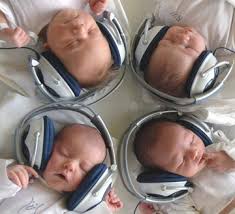
 Individuals of all ages and all abilities can benefit from music therapy. Previously, music therapy has been used to support emotional, cognitive and social development in many populations. Music therapy may help to promote wellness by managing stress, enhancing memory, and improving communication.

A 2004 study from the Journal of Music Therapy found that music in interventions used with children and teens with ASD can improve social behaviors, increase focus and attention, increase communication attempts (vocalizations, verbalizations, gestures, and vocabulary), reduce anxiety, and improve body awareness and coordination.

Many additional studies have found that children and adults with autism spectrum disorders (ASD) respond well to music. Often, individuals with autism respond positively to music when little else is able to get their attention, which makes music a potential therapeutic tool.

The following are the reasons why music therapy helps in managing children with autism.

Music encourages social interactions

A 2009 study by Kim, Wigram, & Gold found that children with autism showed more emotional expression and social engagement during music therapy sessions than in play sessions without music. These children also responded to the therapist’s requests more frequently during music therapy than in play sessions without music.
Additionally, a skilled therapist can use music with children to increase their social interaction and improve social skills. Passing and sharing instruments, music and movement games, gathering around a central instrument, learning to listen and singing of greetings are just a few of the ways music therapy sessions can increase interaction.

Music can improve behavior

In a 2012 study of 41 children with autism over a ten-month period, See found that weekly music therapy sessions seemed to improve overall behavior, with the most improvement seen in inattentive behaviors. Children in this study experienced hour-long sessions of music therapy once a week, and their conduct was monitored against a checklist of target behavior like restlessness, aggression and noisiness. More than half the group improved by one or two points on the scale after the music therapy sessions.

Music can improve communication

Up to thirty-percent of children with autism are nonverbal, and many low-functioning children have difficulty following verbal commands, and have difficult time with social awareness like understanding body language.
Wan et. al. (2004) found music to improve the mapping of sounds to actions, by connecting the auditory and motor sections of the brain, which may help improve understanding of verbal commands. By pairing music with actions, and with repetitive training, the brain pathways needed to speak can be reinforced and improved.

Music can reduce anxiety

Children with autism are more sensitive to anxiety than the average child, as they are unable to filter out provoking stimuli. A small four-week study, conducted at the University of Wisconsin La Crosse in 2006, found preliminary success in reducing anxiety in patients with autism through music therapy. After 16 short, 20-minute sessions, during which the treatment patients listened to rhythmic music, the participants who received the therapy appeared to have decreased anxiety-related behaviors.  
Classical music or music with a steady rhythm is thought to be the best for alleviating anxiety in children with autism due to the predictability of the beat.
 

Music is fun

Perhaps most importantly of all, music therapy is engaging and enjoyable for children with autism. Music therapy is able to bring about changes in social behavior and cognitive ability only through repeated and prolonged sessions—and the best way to keep children working at something is to ensure that they enjoy it. Almost like another form of play, music therapy is something ASD children can engage in without having it feel like work.
Music is an effective way to communicate with and reach children with autism. Music therapy seems to be able to improve social skills, behavior, anxiety and more—and might be the one thing that can reach a child with autism when nothing else will.  

What Is Music Therapy?

Is it true that you can use music to prevent or cure ailments? the answer is... yes! Music therapy is a form of healing that uses music to provide care to patients, in a manner that is outside of the box. While this is different from routine physical therapy or prescribing medicine, it should not be thought of as a form of alternative medicine. Clinical studies can vouch for the health benefits of a medically approved music therapy regimen. The beauty of music therapy is that it helps people in a physical, mental, emotional and social way.

Therapists use music therapy in a variety of ways, including having people sing along to the music, meditate and relax while music plays and conduct various exercises and movements with music as the catalyst. When played in conjunction with a person's thoughts or movements, music therapy can help to improve everything from a patient's speech to their memory and physical balance. It also provides emotional healing, helping people to develop positive self-image and aids in prioritizing stress and pain. Music also helps people take their mind off of physical pain, which can help them cope with a number of ailments.

Solid medical research supports the concept that music is healthy for the mind, as it stimulates brain waves. The brain is no different from any other organ, in that when it is exercised, it becomes sharper, stronger and more useful. Stimulating the brain via music is the equivalent of developing a stronger heart through cardiovascular exercises. Music directly affects brain waves, as stronger and faster rhythms make people more alert, while slower music can help people meditate and relax. This healthy calming and focusing affect helps people develop a positive mind state, while also reducing stress, which lowers blood pressure.

Music therapy is a very faceted field, with professionally licensed therapists working in a number of sectors, including schools, prisons, physicians' offices, motivational and training practices and more. It's also important to understand that patients do not need to have a musical background of any sort and don't need to be musically inclined in order to participate in music therapy sessions. Their bodies and minds respond to music, so therapy sessions will pay dividends and help soothe their pain or cure a number of mental and physical ailments. Music therapy has been successfully used to help patients of general stress, cancer, speech impediments, high blood pressure and heart problems, mental disorders and a number of other issues. It is a holistic health approach, as it incorporates a number of mental and physical processes.

During sessions, music therapists can tailor their music and expertise to a patients' particular situation. In one session, a therapist might prepare the music and evaluate the patient, while another session might involve the patient picking and bringing in music that they already like, while the therapist leads them in singing, creating and improvising, or conduct exercises to the music. These therapists must be versed in music, and board certified. Typically, these music therapists receive undergraduate degrees in music therapy and complete a number of clinical hours and examinations. Music therapy is an intriguing field, due to its medical properties and all-encompassing practice. Regardless of what type of symptom or ailment a person is dealing with, there is a good chance that music therapists can provide some sort of aid.
Music therapy is a form of healing that uses music to provide care to patients, in a manner that is outside of the box. While this is different than routine physical therapy or prescribing medicine, it should not be thought of as a form of alternative medicine. Clinical studies can vouch for the health benefits of a medically approved music therapy regimen. The beauty of music therapy is that it helps people in a physical, mental, emotional and social way.
Therapists use music therapy in a variety of ways, including having people sing along to the music, meditate and relax while music plays and conduct various exercises and movements with music as the catalyst. When played in conjunction with a person's thoughts or movements, music therapy can help to improve everything from a patient's speech to their memory and physical balance. It also provides emotional healing, helping people to develop positive self-image and aids in prioritizing stress and pain. Music also helps people take their mind off of physical pain, which can help them cope with a number of ailments.
Solid medical research supports the concept that music is healthy for the mind, as it stimulates brain waves. The brain is no different than any organ, in that when it is exercised, it becomes sharper, stronger and more useful. Stimulating the brain via music is the equivalent of developing a stronger heart through cardiovascular exercises. Music directly affects brain waves, as stronger and faster rhythms make people more alert, while slower music can help people meditate and relax. This healthy calming and focusing affect helps people develop a positive mind state, while also reducing stress, which lowers blood pressure.
Music therapy is a very faceted field, with professionally licensed therapists working in a number of sectors, including schools, prisons, physicians' offices, motivational and training practices and more. It's also important to understand that patients do not need to have a musical background of any sort and don't need to be musically inclined in order to participate in music therapy sessions. Their bodies and minds respond to music, so therapy sessions will pay dividends and help soothe their pain or cure a number of mental and physical ailments. Music therapy has been successfully used to help patients of general stress, cancer, speech impediments, high blood pressure and heart problems, mental disorders and a number of other issues. It is a holistic health approach, as it incorporates a number of mental and physical processes.
During sessions, music therapists can tailor their music and expertise to a patients' particular situation. In one session, a therapist might prepare the music and evaluate the patient, while another session might involve the patient picking and bringing in music that they already like, while the therapist leads them in singing, creating and improvising, or conduct exercises to the music. These therapists must be versed in music, and board certified. Typically, these music therapists receive undergraduate degrees in music therapy and complete a number of clinical hours and examinations. Music therapy is an intriguing field, due to its medical properties and all-encompassing practice. Regardless of what type of symptom or ailment a person is dealing with, there is a good chance that music therapists can provide some sort of aid.
- See more at: https://www.cprcertified.com/health-benefits-of-music-therapy#sthash.leGmgslm.dpuf
Music therapy is a form of healing that uses music to provide care to patients, in a manner that is outside of the box. While this is different than routine physical therapy or prescribing medicine, it should not be thought of as a form of alternative medicine. Clinical studies can vouch for the health benefits of a medically approved music therapy regimen. The beauty of music therapy is that it helps people in a physical, mental, emotional and social way.
Therapists use music therapy in a variety of ways, including having people sing along to the music, meditate and relax while music plays and conduct various exercises and movements with music as the catalyst. When played in conjunction with a person's thoughts or movements, music therapy can help to improve everything from a patient's speech to their memory and physical balance. It also provides emotional healing, helping people to develop positive self-image and aids in prioritizing stress and pain. Music also helps people take their mind off of physical pain, which can help them cope with a number of ailments.
Solid medical research supports the concept that music is healthy for the mind, as it stimulates brain waves. The brain is no different than any organ, in that when it is exercised, it becomes sharper, stronger and more useful. Stimulating the brain via music is the equivalent of developing a stronger heart through cardiovascular exercises. Music directly affects brain waves, as stronger and faster rhythms make people more alert, while slower music can help people meditate and relax. This healthy calming and focusing affect helps people develop a positive mind state, while also reducing stress, which lowers blood pressure.
Music therapy is a very faceted field, with professionally licensed therapists working in a number of sectors, including schools, prisons, physicians' offices, motivational and training practices and more. It's also important to understand that patients do not need to have a musical background of any sort and don't need to be musically inclined in order to participate in music therapy sessions. Their bodies and minds respond to music, so therapy sessions will pay dividends and help soothe their pain or cure a number of mental and physical ailments. Music therapy has been successfully used to help patients of general stress, cancer, speech impediments, high blood pressure and heart problems, mental disorders and a number of other issues. It is a holistic health approach, as it incorporates a number of mental and physical processes.
During sessions, music therapists can tailor their music and expertise to a patients' particular situation. In one session, a therapist might prepare the music and evaluate the patient, while another session might involve the patient picking and bringing in music that they already like, while the therapist leads them in singing, creating and improvising, or conduct exercises to the music. These therapists must be versed in music, and board certified. Typically, these music therapists receive undergraduate degrees in music therapy and complete a number of clinical hours and examinations. Music therapy is an intriguing field, due to its medical properties and all-encompassing practice. Regardless of what type of symptom or ailment a person is dealing with, there is a good chance that music therapists can provide some sort of aid.
- See more at: https://www.cprcertified.com/health-benefits-of-music-therapy#sthash.leGmgslm.dpuf
Music therapy is a form of healing that uses music to provide care to patients, in a manner that is outside of the box. While this is different than routine physical therapy or prescribing medicine, it should not be thought of as a form of alternative medicine. Clinical studies can vouch for the health benefits of a medically approved music therapy regimen. The beauty of music therapy is that it helps people in a physical, mental, emotional and social way.
Therapists use music therapy in a variety of ways, including having people sing along to the music, meditate and relax while music plays and conduct various exercises and movements with music as the catalyst. When played in conjunction with a person's thoughts or movements, music therapy can help to improve everything from a patient's speech to their memory and physical balance. It also provides emotional healing, helping people to develop positive self-image and aids in prioritizing stress and pain. Music also helps people take their mind off of physical pain, which can help them cope with a number of ailments.
Solid medical research supports the concept that music is healthy for the mind, as it stimulates brain waves. The brain is no different than any organ, in that when it is exercised, it becomes sharper, stronger and more useful. Stimulating the brain via music is the equivalent of developing a stronger heart through cardiovascular exercises. Music directly affects brain waves, as stronger and faster rhythms make people more alert, while slower music can help people meditate and relax. This healthy calming and focusing affect helps people develop a positive mind state, while also reducing stress, which lowers blood pressure.
Music therapy is a very faceted field, with professionally licensed therapists working in a number of sectors, including schools, prisons, physicians' offices, motivational and training practices and more. It's also important to understand that patients do not need to have a musical background of any sort and don't need to be musically inclined in order to participate in music therapy sessions. Their bodies and minds respond to music, so therapy sessions will pay dividends and help soothe their pain or cure a number of mental and physical ailments. Music therapy has been successfully used to help patients of general stress, cancer, speech impediments, high blood pressure and heart problems, mental disorders and a number of other issues. It is a holistic health approach, as it incorporates a number of mental and physical processes.
During sessions, music therapists can tailor their music and expertise to a patients' particular situation. In one session, a therapist might prepare the music and evaluate the patient, while another session might involve the patient picking and bringing in music that they already like, while the therapist leads them in singing, creating and improvising, or conduct exercises to the music. These therapists must be versed in music, and board certified. Typically, these music therapists receive undergraduate degrees in music therapy and complete a number of clinical hours and examinations. Music therapy is an intriguing field, due to its medical properties and all-encompassing practice. Regardless of what type of symptom or ailment a person is dealing with, there is a good chance that music therapists can provide some sort of aid.
- See more at: https://www.cprcertified.com/health-benefits-of-music-therapy#sthash.leGmgslm.dpuf
Music therapy is a form of healing that uses music to provide care to patients, in a manner that is outside of the box. While this is different than routine physical therapy or prescribing medicine, it should not be thought of as a form of alternative medicine. Clinical studies can vouch for the health benefits of a medically approved music therapy regimen. The beauty of music therapy is that it helps people in a physical, mental, emotional and social way.
Therapists use music therapy in a variety of ways, including having people sing along to the music, meditate and relax while music plays and conduct various exercises and movements with music as the catalyst. When played in conjunction with a person's thoughts or movements, music therapy can help to improve everything from a patient's speech to their memory and physical balance. It also provides emotional healing, helping people to develop positive self-image and aids in prioritizing stress and pain. Music also helps people take their mind off of physical pain, which can help them cope with a number of ailments.
Solid medical research supports the concept that music is healthy for the mind, as it stimulates brain waves. The brain is no different than any organ, in that when it is exercised, it becomes sharper, stronger and more useful. Stimulating the brain via music is the equivalent of developing a stronger heart through cardiovascular exercises. Music directly affects brain waves, as stronger and faster rhythms make people more alert, while slower music can help people meditate and relax. This healthy calming and focusing affect helps people develop a positive mind state, while also reducing stress, which lowers blood pressure.
Music therapy is a very faceted field, with professionally licensed therapists working in a number of sectors, including schools, prisons, physicians' offices, motivational and training practices and more. It's also important to understand that patients do not need to have a musical background of any sort and don't need to be musically inclined in order to participate in music therapy sessions. Their bodies and minds respond to music, so therapy sessions will pay dividends and help soothe their pain or cure a number of mental and physical ailments. Music therapy has been successfully used to help patients of general stress, cancer, speech impediments, high blood pressure and heart problems, mental disorders and a number of other issues. It is a holistic health approach, as it incorporates a number of mental and physical processes.
During sessions, music therapists can tailor their music and expertise to a patients' particular situation. In one session, a therapist might prepare the music and evaluate the patient, while another session might involve the patient picking and bringing in music that they already like, while the therapist leads them in singing, creating and improvising, or conduct exercises to the music. These therapists must be versed in music, and board certified. Typically, these music therapists receive undergraduate degrees in music therapy and complete a number of clinical hours and examinations. Music therapy is an intriguing field, due to its medical properties and all-encompassing practice. Regardless of what type of symptom or ailment a person is dealing with, there is a good chance that music therapists can provide some sort of aid.
- See more at: https://www.cprcertified.com/health-benefits-of-music-therapy#sthash.leGmgslm.dpuf
Music therapy is a form of healing that uses music to provide care to patients, in a manner that is outside of the box. While this is different than routine physical therapy or prescribing medicine, it should not be thought of as a form of alternative medicine. Clinical studies can vouch for the health benefits of a medically approved music therapy regimen. The beauty of music therapy is that it helps people in a physical, mental, emotional and social way.
Therapists use music therapy in a variety of ways, including having people sing along to the music, meditate and relax while music plays and conduct various exercises and movements with music as the catalyst. When played in conjunction with a person's thoughts or movements, music therapy can help to improve everything from a patient's speech to their memory and physical balance. It also provides emotional healing, helping people to develop positive self-image and aids in prioritizing stress and pain. Music also helps people take their mind off of physical pain, which can help them cope with a number of ailments.
Solid medical research supports the concept that music is healthy for the mind, as it stimulates brain waves. The brain is no different than any organ, in that when it is exercised, it becomes sharper, stronger and more useful. Stimulating the brain via music is the equivalent of developing a stronger heart through cardiovascular exercises. Music directly affects brain waves, as stronger and faster rhythms make people more alert, while slower music can help people meditate and relax. This healthy calming and focusing affect helps people develop a positive mind state, while also reducing stress, which lowers blood pressure.
Music therapy is a very faceted field, with professionally licensed therapists working in a number of sectors, including schools, prisons, physicians' offices, motivational and training practices and more. It's also important to understand that patients do not need to have a musical background of any sort and don't need to be musically inclined in order to participate in music therapy sessions. Their bodies and minds respond to music, so therapy sessions will pay dividends and help soothe their pain or cure a number of mental and physical ailments. Music therapy has been successfully used to help patients of general stress, cancer, speech impediments, high blood pressure and heart problems, mental disorders and a number of other issues. It is a holistic health approach, as it incorporates a number of mental and physical processes.
During sessions, music therapists can tailor their music and expertise to a patients' particular situation. In one session, a therapist might prepare the music and evaluate the patient, while another session might involve the patient picking and bringing in music that they already like, while the therapist leads them in singing, creating and improvising, or conduct exercises to the music. These therapists must be versed in music, and board certified. Typically, these music therapists receive undergraduate degrees in music therapy and complete a number of clinical hours and examinations. Music therapy is an intriguing field, due to its medical properties and all-encompassing practice. Regardless of what type of symptom or ailment a person is dealing with, there is a good chance that music therapists can provide some sort of aid.
- See more at: https://www.cprcertified.com/health-benefits-of-music-therapy#sthash.leGmgslm.dpuf
Music therapy is a form of healing that uses music to provide care to patients, in a manner that is outside of the box. While this is different than routine physical therapy or prescribing medicine, it should not be thought of as a form of alternative medicine. Clinical studies can vouch for the health benefits of a medically approved music therapy regimen. The beauty of music therapy is that it helps people in a physical, mental, emotional and social way.
Therapists use music therapy in a variety of ways, including having people sing along to the music, meditate and relax while music plays and conduct various exercises and movements with music as the catalyst. When played in conjunction with a person's thoughts or movements, music therapy can help to improve everything from a patient's speech to their memory and physical balance. It also provides emotional healing, helping people to develop positive self-image and aids in prioritizing stress and pain. Music also helps people take their mind off of physical pain, which can help them cope with a number of ailments.
Solid medical research supports the concept that music is healthy for the mind, as it stimulates brain waves. The brain is no different than any organ, in that when it is exercised, it becomes sharper, stronger and more useful. Stimulating the brain via music is the equivalent of developing a stronger heart through cardiovascular exercises. Music directly affects brain waves, as stronger and faster rhythms make people more alert, while slower music can help people meditate and relax. This healthy calming and focusing affect helps people develop a positive mind state, while also reducing stress, which lowers blood pressure.
Music therapy is a very faceted field, with professionally licensed therapists working in a number of sectors, including schools, prisons, physicians' offices, motivational and training practices and more. It's also important to understand that patients do not need to have a musical background of any sort and don't need to be musically inclined in order to participate in music therapy sessions. Their bodies and minds respond to music, so therapy sessions will pay dividends and help soothe their pain or cure a number of mental and physical ailments. Music therapy has been successfully used to help patients of general stress, cancer, speech impediments, high blood pressure and heart problems, mental disorders and a number of other issues. It is a holistic health approach, as it incorporates a number of mental and physical processes.
During sessions, music therapists can tailor their music and expertise to a patients' particular situation. In one session, a therapist might prepare the music and evaluate the patient, while another session might involve the patient picking and bringing in music that they already like, while the therapist leads them in singing, creating and improvising, or conduct exercises to the music. These therapists must be versed in music, and board certified. Typically, these music therapists receive undergraduate degrees in music therapy and complete a number of clinical hours and examinations. Music therapy is an intriguing field, due to its medical properties and all-encompassing practice. Regardless of what type of symptom or ailment a person is dealing with, there is a good chance that music therapists can provide some sort of aid.
- See more at: https://www.cprcertified.com/health-benefits-of-music-therapy#sthash.leGmgslm.dpuf
Music therapy is a form of healing that uses music to provide care to patients, in a manner that is outside of the box. While this is different than routine physical therapy or prescribing medicine, it should not be thought of as a form of alternative medicine. Clinical studies can vouch for the health benefits of a medically approved music therapy regimen. The beauty of music therapy is that it helps people in a physical, mental, emotional and social way.
Therapists use music therapy in a variety of ways, including having people sing along to the music, meditate and relax while music plays and conduct various exercises and movements with music as the catalyst. When played in conjunction with a person's thoughts or movements, music therapy can help to improve everything from a patient's speech to their memory and physical balance. It also provides emotional healing, helping people to develop positive self-image and aids in prioritizing stress and pain. Music also helps people take their mind off of physical pain, which can help them cope with a number of ailments.
Solid medical research supports the concept that music is healthy for the mind, as it stimulates brain waves. The brain is no different than any organ, in that when it is exercised, it becomes sharper, stronger and more useful. Stimulating the brain via music is the equivalent of developing a stronger heart through cardiovascular exercises. Music directly affects brain waves, as stronger and faster rhythms make people more alert, while slower music can help people meditate and relax. This healthy calming and focusing affect helps people develop a positive mind state, while also reducing stress, which lowers blood pressure.
Music therapy is a very faceted field, with professionally licensed therapists working in a number of sectors, including schools, prisons, physicians' offices, motivational and training practices and more. It's also important to understand that patients do not need to have a musical background of any sort and don't need to be musically inclined in order to participate in music therapy sessions. Their bodies and minds respond to music, so therapy sessions will pay dividends and help soothe their pain or cure a number of mental and physical ailments. Music therapy has been successfully used to help patients of general stress, cancer, speech impediments, high blood pressure and heart problems, mental disorders and a number of other issues. It is a holistic health approach, as it incorporates a number of mental and physical processes.
During sessions, music therapists can tailor their music and expertise to a patients' particular situation. In one session, a therapist might prepare the music and evaluate the patient, while another session might involve the patient picking and bringing in music that they already like, while the therapist leads them in singing, creating and improvising, or conduct exercises to the music. These therapists must be versed in music, and board certified. Typically, these music therapists receive undergraduate degrees in music therapy and complete a number of clinical hours and examinations. Music therapy is an intriguing field, due to its medical properties and all-encompassing practice. Regardless of what type of symptom or ailment a person is dealing with, there is a good chance that music therapists can provide some sort of aid.
- See more at: https://www.cprcertified.com/health-benefits-of-music-therapy#sthash.leGmgslm.dpuf

64 Million Nigerians Are Suffering From Mental Illness - Prof. Nebo

The issue of complementary (integration of herbal and orthodox) medicine being the most effective cure for mental illness as again come to the front burner with the disclosure that 64 million Nigerians are suffering from the disease. Former Power Minister, Prof. Chinedu Nebo, yesterday in Enugu rated governments at various levels low in the area of psychiatric and mental health care.

He said this was worrisome considering that some medical scholars have revealed that in a population of 160 million or thereabout, “it is speculated that 64 million Nigerians suffer from one form or the other of afflictions of mental illness- deserving attention”.

Nebo spoke as a guest lecturer at the 2nd Public Lecture organized by the Federal Neuropsychiatric Hospital, Enugu in collaboration with the West African College of Nursing.

Speaking on the theme: “Psychiatric and Mental Health in Nigeria: Challenges and Prospects”, the former minister said whereas government had done much in the area of Primary Health Care, much was yet to be done in the area of psychiatric and mental health.

“I will confess that while Government has built modern diagnostic centres, dialysis and ophthalmological centres, and constructed more than 710 Primary Health Care Centres throughout our political wards in Enugu State, we are only beginning to give priority towards optimizing and modernizing our. Psychiatric Mental Health Institutions in the State to meet required demands. Despite the efforts of all levels of government in the medical sector of our nation, Nigerians still grapple with many social challenges, including poverty, high level of unemployment and other social pressures," he said.

He further stated: “The prevalence of these situations have been escalated by the fact that there is high level of poor knowledge and understanding of the malaise of mental health disorder and the positive treatments required by the growing population of mentally ill patients.”

Nebo identified causes of mental illness to include genetic composition, early development, neurological and psychological experiences and environmental stresses.

While calling for increased awareness on the treatment and management of mental disorder, Nebo said “the belief that many Nigerians seem to hold that mental disorder is a result of supernatural forces and, therefore, only responds to cure through supernatural incantations- must give way and face the realities of modern conditions, which in fact, produce the stresses that lead to different level of mental conditions”.

He called for adequate funding for research and training of mental health manpower, stressing that “this will increase our output of psychiatric nurses and create more positions for residency training in psychiatric”.
Nebo equally advocated for community based mental health care services, total integration of the mental health care into the Primary Health Care System and periodic review of legislation governing the care of the mentally ill.

The Formular For Eating Right

Vegetables and fruits form the foundation of a healthy diet. But you can’t live on produce alone. To get all your essential nutrients, you’ll also need to eat whole grains, lean protein (fish, lean meat, beans or low-fat dairy foods) and healthy fats, including nuts and olive oil. How much do you need? Balance your diet in three easy steps.

1. Divide your plate

Whatever you answered, you should aim to model (or keep modeling) your plate after B. Low-calorie—yet satisfying—vegetables fill half the plate. The other half is divided into two equal portions (quarters). One is filled with a lean protein, the other with a whole-grain or starchy vegetable.

2. Calculate your calories

Eating a balanced diet means not only getting enough of specific nutrients, such as vitamin C and beta carotene, but also eating the right number of calories for your size.
The following equation will help you determine the number of calories you need to maintain your current weight.
Your body weight X 12 = __________
Subtract 500 calories from this number to lose 1 pound per week. To lose 2 pounds per week, subtract 1,000. If you calculate a calorie target that’s less than 1,200, set your calorie goal at 1,200.


3. Eat by the Pyramid

To get even more accurate about ensuring nutritional balance in your diet, eat by the USDA’s MyPyramid recommended intakes for all the major food groups. Simply follow the guide below that’s closest to the calorie level you calculated in Step 2.
Recommended daily intakes by Pyramid group for a range of calorie levels:
Calorie level 1,600 1,800 2,000 2,200 2,400
2,600
2,800
3,000
Grains*
5 oz.-eq. 6 oz.-eq. 6 oz.-eq. 7 oz.-eq. 8 oz.-eq. 9 oz.-eq. 10 oz.-eq. 10 oz.-eq.
Vegetables** 2 cups 2.5 cups 2.5 cups 3 cups 3 cups 3.5 cups 3.5 cups 4 cups
Fruits*** 1.5 cups 1.5 cups 2 cups 2 cups 2 cups 2 cups 2.5 cups 2.5 cups
Milk (or dairy)
3 cups 3 cups 3 cups 3 cups 3 cups 3 cups 3 cups 3 cups
Meat, Beans† 5 oz.-eq. 5 oz.-eq. 5.5 oz.-eq. 6 oz.-eq. 6.5 oz.-eq. 6.5 oz.-eq. 7 oz.-eq. 7 oz.-eq.
Oils 5 tsp. 5 tsp. 6 tsp. 6 tsp. 7 tsp. 8 tsp. 8 tsp. 10 tsp.
Discretionary calories†† 132 195 267 290 362 410 426 512
Note: These suggested food amounts are calculated to meet USDA recommended nutrient intakes. The contributions from each group are based on the “nutrient-dense” form of the food, without added fats or sugars (for example, lean meats, fat-free dairy products, grains with no added sugars).
*A 1-oz. grain equivalent = 1⁄2 cup of pasta, rice or oatmeal, 1 cup of whole-grain cold cereal, 1 slice of bread, 1⁄2 of an English muffin.
**A 1⁄2 cup of vegetables or 1 cup of raw leafy greens = 1 vegetable serving.
***1 cup of cut fruit or 1 medium whole fruit (orange, apple, banana) = 1 fruit serving.
† A 1-oz. equivalent = 1 oz. lean meat, poultry or fish, 1⁄4 cup cooked beans or tofu.
†† “Discretionary calories” are those remaining in the calorie total when all the food-group portions and nutrients are consumed. You can “spend” them on whatever you want, such as a piece of chocolate or a glass of wine.

KIMEKWU COMMUNICATIONS: New Dimensions To Your Life

Malnutrition Kills 500, 000 Nigerian Children Every Year - UNICEF

The United Nations Children Fund (UNICEF) has alerted Nigerians on the danger posed by high rate of infant malnutrition in the country. According to the world body, Nigeria is losing no fewer than 500,000 infants to malnutrition annually, which it described as silent health crisis.

UNICEF wants Nigerians to pay more attention to this situation, which poses dire consequences to the present and future development of the country. Officials of the international humanitarian agency spoke at a two-day workshop in Calabar, capital of Cross River state for media executives and health correspondents of many Nigerian media organisations.

The workshop, tagged: #Stop Child Malnutrition In Nigeria, was coordinated by the UNICEF’s Communication Specialist, Mr. Geoffrey Njoku with top officials of the federal and Cross River ministries of health in attendance.

Speaking on the nutritional situation in Nigeria and its impact on children, the Chief Nutritionist of the UNICEF, Mr. Arjan de Wagt said that most of the children die of malnutrition within their first 1000 days on earth.

According to Mr. Wagt, the first 1000 days of a child are so important that they determine not only the child’s growth but also his entire health status throughout the life, up to old age.

UNICEF The Chief Nutritionist stressed that malnutrition affects not only the poor but also some wealthy ones, adding that obesity is part of the effects of the malnutrition.

“Whenever we talk about malnutrition, the only thing that comes to the mind is that it is for the poor uneducated rural people who have less to eat. But malnutrition also includes eating wrong food or unbalanced diet. It is about lack of knowledge of the food we eat and not lack of food,” he said.

Wagt said that the chief cause of malnutrition is lack of exclusive breast feeding of the child in the first six months of his birth, insisting that breast milk is made strictly for the babies and they must not be denied of it.

For him, children that are not well-fed and properly cared for usually experience stunted growth, over weight, micro nutrient deficiency and are generally prone to life threatening diseases.

Other speakers at the workshop, including. Dr. Chris Osa Isokpunwu of the Federal Ministry of Health, the Coordinator of African Centre for Media and Information Literacy, Chido Onuma called on the media to be in the forefront for advocacy on behavioural change amongst Nigeria to reverse the trend.

Though, UNICEF announced that through its numerous interventions, about 208,000 lives of mal-nourished children have been saved in the last 12 months, the speakers stressed the need for more financial assistance from donor agencies to increase the number of those it could save from the dangerous effect of malnutrition to one million per annum.

The United Nations Children Fund (UNICEF) has alerted Nigerians on the danger posed by high rate of infant malnutrition in the country.

According to the world body, Nigeria is losing no fewer than 500,000 infants to malnutrition annually, which it described as silent health crisis.

UNICEF wants Nigerians to pay more attention to this situation, which poses dire consequences to the present and future development of the country.

Officials of the international humanitarian agency spoke at a two-day workshop in Calabar, capital of Cross River state for media executives and health correspondents of many Nigerian media organisations.

The workshop, tagged: #Stop Child Malnutrition In Nigeria, was coordinated by the UNICEF’s Communication Specialist, Mr. Geoffrey Njoku with top officials of the federal and Cross River ministries of health in attendance.

Speaking on the nutritional situation in Nigeria and its impact on children, the Chief Nutritionist of the UNICEF, Mr. Arjan de Wagt said that most of the children die of malnutrition within their first 1000 days on earth.

According to Mr. Wagt, the first 1000 days of a child are so important that they determine not only the child’s growth but also his entire health status throughout the life, up to old age.

UNICEF The Chief Nutritionist stressed that malnutrition affects not only the poor but also some wealthy ones, adding that obesity is part of the effects of the malnutrition.

“Whenever we talk about malnutrition, the only thing that comes to the mind is that it is for the poor uneducated rural people who have less to eat. But malnutrition also includes eating wrong food or unbalanced diet. It is about lack of knowledge of the food we eat and not lack of food,” he said.

Wagt said that the chief cause of malnutrition is lack of exclusive breast feeding of the child in the first six months of his birth, insisting that breast milk is made strictly for the babies and they must not be denied of it.

For him, children that are not well-fed and properly cared for usually experience stunted growth, over weight, micro nutrient deficiency and are generally prone to life threatening diseases.

Other speakers at the workshop, including. Dr. Chris Osa Isokpunwu of the Federal Ministry of Health, the Coordinator of African Centre for Media and Information Literacy, Chido Onuma called on the media to be in the forefront for advocacy on behavioural change amongst Nigeria to reverse the trend.

Though, UNICEF announced that through its numerous interventions, about 208,000 lives of mal-nourished children have been saved in the last 12 months, the speakers stressed the need for more financial assistance from donor agencies to increase the number of those it could save from the dangerous effect of malnutrition to one million per annum.

The speakers stressed the importance of people regularly going for de-worming and for them to observe behavioural change as well as take other positive measures to stem the tide of death from malnutrition.

They appealed to media organisations to join in the crusade against malnutrition so that more lives could be saved and to bring a new way of dieting to ensure proper nutrition into the lives of Nigerians.

The workshop, which drew no fewer than 50 journalists, including online publishers, editors, senior correspondents from newspapers, television and radio stations, ends tomorrow, Thursday.

The post UNICEF: Malnutrition kills 500,000 children annually in Nigeria appeared first on THE RAINBOW NEWS ONLINE .

Read more at: http://www.thenigerianvoice.com/news/188979/1/unicef-malnutrition-kills-500000-children-annually.html
The United Nations Children Fund (UNICEF) has alerted Nigerians on the danger posed by high rate of infant malnutrition in the country.

According to the world body, Nigeria is losing no fewer than 500,000 infants to malnutrition annually, which it described as silent health crisis.

UNICEF wants Nigerians to pay more attention to this situation, which poses dire consequences to the present and future development of the country.

Officials of the international humanitarian agency spoke at a two-day workshop in Calabar, capital of Cross River state for media executives and health correspondents of many Nigerian media organisations.

The workshop, tagged: #Stop Child Malnutrition In Nigeria, was coordinated by the UNICEF’s Communication Specialist, Mr. Geoffrey Njoku with top officials of the federal and Cross River ministries of health in attendance.

Speaking on the nutritional situation in Nigeria and its impact on children, the Chief Nutritionist of the UNICEF, Mr. Arjan de Wagt said that most of the children die of malnutrition within their first 1000 days on earth.

According to Mr. Wagt, the first 1000 days of a child are so important that they determine not only the child’s growth but also his entire health status throughout the life, up to old age.

UNICEF The Chief Nutritionist stressed that malnutrition affects not only the poor but also some wealthy ones, adding that obesity is part of the effects of the malnutrition.

“Whenever we talk about malnutrition, the only thing that comes to the mind is that it is for the poor uneducated rural people who have less to eat. But malnutrition also includes eating wrong food or unbalanced diet. It is about lack of knowledge of the food we eat and not lack of food,” he said.

Wagt said that the chief cause of malnutrition is lack of exclusive breast feeding of the child in the first six months of his birth, insisting that breast milk is made strictly for the babies and they must not be denied of it.

For him, children that are not well-fed and properly cared for usually experience stunted growth, over weight, micro nutrient deficiency and are generally prone to life threatening diseases.

Other speakers at the workshop, including. Dr. Chris Osa Isokpunwu of the Federal Ministry of Health, the Coordinator of African Centre for Media and Information Literacy, Chido Onuma called on the media to be in the forefront for advocacy on behavioural change amongst Nigeria to reverse the trend.

Though, UNICEF announced that through its numerous interventions, about 208,000 lives of mal-nourished children have been saved in the last 12 months, the speakers stressed the need for more financial assistance from donor agencies to increase the number of those it could save from the dangerous effect of malnutrition to one million per annum.

The speakers stressed the importance of people regularly going for de-worming and for them to observe behavioural change as well as take other positive measures to stem the tide of death from malnutrition.

They appealed to media organisations to join in the crusade against malnutrition so that more lives could be saved and to bring a new way of dieting to ensure proper nutrition into the lives of Nigerians.

The workshop, which drew no fewer than 50 journalists, including online publishers, editors, senior correspondents from newspapers, television and radio stations, ends tomorrow, Thursday.

The post UNICEF: Malnutrition kills 500,000 children annually in Nigeria appeared first on THE RAINBOW NEWS ONLINE .

Read more at: http://www.thenigerianvoice.com/news/188979/1/unicef-malnutrition-kills-500000-children-annually.html
The United Nations Children Fund (UNICEF) has alerted Nigerians on the danger posed by high rate of infant malnutrition in the country.

According to the world body, Nigeria is losing no fewer than 500,000 infants to malnutrition annually, which it described as silent health crisis.

UNICEF wants Nigerians to pay more attention to this situation, which poses dire consequences to the present and future development of the country.

Officials of the international humanitarian agency spoke at a two-day workshop in Calabar, capital of Cross River state for media executives and health correspondents of many Nigerian media organisations.

The workshop, tagged: #Stop Child Malnutrition In Nigeria, was coordinated by the UNICEF’s Communication Specialist, Mr. Geoffrey Njoku with top officials of the federal and Cross River ministries of health in attendance.

Speaking on the nutritional situation in Nigeria and its impact on children, the Chief Nutritionist of the UNICEF, Mr. Arjan de Wagt said that most of the children die of malnutrition within their first 1000 days on earth.

According to Mr. Wagt, the first 1000 days of a child are so important that they determine not only the child’s growth but also his entire health status throughout the life, up to old age.

UNICEF The Chief Nutritionist stressed that malnutrition affects not only the poor but also some wealthy ones, adding that obesity is part of the effects of the malnutrition.

“Whenever we talk about malnutrition, the only thing that comes to the mind is that it is for the poor uneducated rural people who have less to eat. But malnutrition also includes eating wrong food or unbalanced diet. It is about lack of knowledge of the food we eat and not lack of food,” he said.

Wagt said that the chief cause of malnutrition is lack of exclusive breast feeding of the child in the first six months of his birth, insisting that breast milk is made strictly for the babies and they must not be denied of it.

For him, children that are not well-fed and properly cared for usually experience stunted growth, over weight, micro nutrient deficiency and are generally prone to life threatening diseases.

Other speakers at the workshop, including. Dr. Chris Osa Isokpunwu of the Federal Ministry of Health, the Coordinator of African Centre for Media and Information Literacy, Chido Onuma called on the media to be in the forefront for advocacy on behavioural change amongst Nigeria to reverse the trend.

Though, UNICEF announced that through its numerous interventions, about 208,000 lives of mal-nourished children have been saved in the last 12 months, the speakers stressed the need for more financial assistance from donor agencies to increase the number of those it could save from the dangerous effect of malnutrition to one million per annum.

The speakers stressed the importance of people regularly going for de-worming and for them to observe behavioural change as well as take other positive measures to stem the tide of death from malnutrition.

They appealed to media organisations to join in the crusade against malnutrition so that more lives could be saved and to bring a new way of dieting to ensure proper nutrition into the lives of Nigerians.

The workshop, which drew no fewer than 50 journalists, including online publishers, editors, senior correspondents from newspapers, television and radio stations, ends tomorrow, Thursday.

The post UNICEF: Malnutrition kills 500,000 children annually in Nigeria appeared first on THE RAINBOW NEWS ONLINE .

Read more at: http://www.thenigerianvoice.com/news/188979/1/unicef-malnutrition-kills-500000-children-annually.html
The United Nations Children Fund (UNICEF) has alerted Nigerians on the danger posed by high rate of infant malnutrition in the country.

According to the world body, Nigeria is losing no fewer than 500,000 infants to malnutrition annually, which it described as silent health crisis.

UNICEF wants Nigerians to pay more attention to this situation, which poses dire consequences to the present and future development of the country.

Officials of the international humanitarian agency spoke at a two-day workshop in Calabar, capital of Cross River state for media executives and health correspondents of many Nigerian media organisations.

The workshop, tagged: #Stop Child Malnutrition In Nigeria, was coordinated by the UNICEF’s Communication Specialist, Mr. Geoffrey Njoku with top officials of the federal and Cross River ministries of health in attendance.

Speaking on the nutritional situation in Nigeria and its impact on children, the Chief Nutritionist of the UNICEF, Mr. Arjan de Wagt said that most of the children die of malnutrition within their first 1000 days on earth.

According to Mr. Wagt, the first 1000 days of a child are so important that they determine not only the child’s growth but also his entire health status throughout the life, up to old age.

UNICEF The Chief Nutritionist stressed that malnutrition affects not only the poor but also some wealthy ones, adding that obesity is part of the effects of the malnutrition.

“Whenever we talk about malnutrition, the only thing that comes to the mind is that it is for the poor uneducated rural people who have less to eat. But malnutrition also includes eating wrong food or unbalanced diet. It is about lack of knowledge of the food we eat and not lack of food,” he said.

Wagt said that the chief cause of malnutrition is lack of exclusive breast feeding of the child in the first six months of his birth, insisting that breast milk is made strictly for the babies and they must not be denied of it.

For him, children that are not well-fed and properly cared for usually experience stunted growth, over weight, micro nutrient deficiency and are generally prone to life threatening diseases.

Other speakers at the workshop, including. Dr. Chris Osa Isokpunwu of the Federal Ministry of Health, the Coordinator of African Centre for Media and Information Literacy, Chido Onuma called on the media to be in the forefront for advocacy on behavioural change amongst Nigeria to reverse the trend.

Though, UNICEF announced that through its numerous interventions, about 208,000 lives of mal-nourished children have been saved in the last 12 months, the speakers stressed the need for more financial assistance from donor agencies to increase the number of those it could save from the dangerous effect of malnutrition to one million per annum.

The speakers stressed the importance of people regularly going for de-worming and for them to observe behavioural change as well as take other positive measures to stem the tide of death from malnutrition.

They appealed to media organisations to join in the crusade against malnutrition so that more lives could be saved and to bring a new way of dieting to ensure proper nutrition into the lives of Nigerians.

The workshop, which drew no fewer than 50 journalists, including online publishers, editors, senior correspondents from newspapers, television and radio stations, ends tomorrow, Thursday.

The post UNICEF: Malnutrition kills 500,000 children annually in Nigeria appeared first on THE RAINBOW NEWS ONLINE .

Read more at: http://www.thenigerianvoice.com/news/188979/1/unicef-malnutrition-kills-500000-children-annually.html
The United Nations Children Fund (UNICEF) has alerted Nigerians on the danger posed by high rate of infant malnutrition in the country.

According to the world body, Nigeria is losing no fewer than 500,000 infants to malnutrition annually, which it described as silent health crisis.

UNICEF wants Nigerians to pay more attention to this situation, which poses dire consequences to the present and future development of the country.

Officials of the international humanitarian agency spoke at a two-day workshop in Calabar, capital of Cross River state for media executives and health correspondents of many Nigerian media organisations.

The workshop, tagged: #Stop Child Malnutrition In Nigeria, was coordinated by the UNICEF’s Communication Specialist, Mr. Geoffrey Njoku with top officials of the federal and Cross River ministries of health in attendance.

Speaking on the nutritional situation in Nigeria and its impact on children, the Chief Nutritionist of the UNICEF, Mr. Arjan de Wagt said that most of the children die of malnutrition within their first 1000 days on earth.

According to Mr. Wagt, the first 1000 days of a child are so important that they determine not only the child’s growth but also his entire health status throughout the life, up to old age.

UNICEF The Chief Nutritionist stressed that malnutrition affects not only the poor but also some wealthy ones, adding that obesity is part of the effects of the malnutrition.

“Whenever we talk about malnutrition, the only thing that comes to the mind is that it is for the poor uneducated rural people who have less to eat. But malnutrition also includes eating wrong food or unbalanced diet. It is about lack of knowledge of the food we eat and not lack of food,” he said.

Wagt said that the chief cause of malnutrition is lack of exclusive breast feeding of the child in the first six months of his birth, insisting that breast milk is made strictly for the babies and they must not be denied of it.

For him, children that are not well-fed and properly cared for usually experience stunted growth, over weight, micro nutrient deficiency and are generally prone to life threatening diseases.

Other speakers at the workshop, including. Dr. Chris Osa Isokpunwu of the Federal Ministry of Health, the Coordinator of African Centre for Media and Information Literacy, Chido Onuma called on the media to be in the forefront for advocacy on behavioural change amongst Nigeria to reverse the trend.

Though, UNICEF announced that through its numerous interventions, about 208,000 lives of mal-nourished children have been saved in the last 12 months, the speakers stressed the need for more financial assistance from donor agencies to increase the number of those it could save from the dangerous effect of malnutrition to one million per annum.

The speakers stressed the importance of people regularly going for de-worming and for them to observe behavioural change as well as take other positive measures to stem the tide of death from malnutrition.

They appealed to media organisations to join in the crusade against malnutrition so that more lives could be saved and to bring a new way of dieting to ensure proper nutrition into the lives of Nigerians.

The workshop, which drew no fewer than 50 journalists, including online publishers, editors, senior correspondents from newspapers, television and radio stations, ends tomorrow, Thursday.

The post UNICEF: Malnutrition kills 500,000 children annually in Nigeria appeared first on THE RAINBOW NEWS ONLINE .

Read more at: http://www.thenigerianvoice.com/news/188979/1/unicef-malnutrition-kills-500000-children-annually.html

Facts On Plaintain Plus Amazing Health Benefits

Plantains, also known as plátanos, are closely related cultivars of fruit or dessert banana. In general, they treated as vegetables in the kitchen much like fellow tropical produces such as potatoes, taro, breadfruit, yam, sweet potatoes, etc. Indeed, plátano are one of the staple sources of carbohydrates for larger populations in Asia, Oceania, Africa, and Central Americas for centuries, served in main courses.
As in bananas, plantain too belong to the Musaceae family. In the nature, it was thought to have developed by hybridization of two wild species of Muscaceae, Musa acuminata Colla (AA) and M. balbsiana Colla (BB), and consist of chromosomal triploid AAB genome.

Plantain is quite different from dessert banana, being taller and larger and more drought tolerant. It is a perennial herbaceous plant that develops from the underground rhizome. Like bananas, it too flourishes well under tropical moisture-rich, humid low-lying farmlands.
At maturity, the rhizome gives rise to flower (inflorescence) that is carried up along its smooth, elongated, un-branched stem, piercing through the center of pseudo-stem, finally emerging out at the top in between its leafy clusters. The flower eventually develops into bunch, consisting of 3 to 20 hands, with each bunch holding at least 5-10 fingers (fruits).

Raw green plantains can only eaten after cooking. Each fruit measures about 3 to 10 inches or more in length depending upon the cultivar type. They tend to have coarser external features with prominent edges and flat surfaces unlike smooth, rounded contour of dessert bananas. The flesh inside is rich in starch, with tiny edible black seeds concentrated at its core. Ripening process, however, enhances flavor and sweetness since much of its starch converts to sugar, similar to as in the case of fruit bananas but to a lesser extent.
Plantain flower (inflorescence) as well as its interior stem (true-stem) too are eaten in various kinds of recipes in South-Asian and African regions.

Plantain relatively has more calories weight for weight than that in the table bananas. 100 g plantain holds about 122 calories, while dessert banana has only 89 calories. Indeed, they are very reliable sources of starch and energy; ensuring food security for millions of inhabitants worldwide.

It contains 2.3 g of dietary fiber per 100 g (6% of DRA per 100 g). Adequate amount of dietary-fiber in the food helps normal bowel movements, thereby reducing constipation problems.

Fresh plátanos have more vitamin C than bananas. 100 g provide 18.4 mg or 31% of daily required levels of this vitamin. Consumption of foods rich in vitamin-C helps the body develop resistance against infectious agents and scavenge harmful oxygen-free radicals. However, boiling and cooking destroys much of this vitamin in plantains.

Plantains carry more vitamin A than bananas. 100 g fresh ripe plantains contain 1127 IU or 37.5% of daily required levels of this vitamin. Besides being a powerful antioxidant, vitamin A plays a vital role in the visual cycle, maintaining healthy mucus membranes, and enhancing skin complexion.

As in bananas, they too are rich sources of B-complex vitamins, particularly high in vitamin-B6 (pyridoxine). Pyridoxine is an important B-complex vitamin that has a beneficial role in the treatment of neuritis, anemia, and to decrease homocystine (one of the causative factors for coronary artery disease (CHD) and stroke episodes) levels in the body. In addition, the fruit contains moderate levels of folates, niacin, riboflavin and thiamin.

They also provide adequate levels of minerals such as iron, magnesium, and phosphorous. Magnesium is essential for bone strengthening and has a cardiac-protective role as well.

Fresh plantains have more potassium than bananas. 100 g fruit provides 499 mg of potassium (358 mg per 100 g for bananas). Potassium is an important component of cell and body fluids that helps control heart rate and blood pressure, countering negative effects of sodium.

Why Aloe Vera Is Excellent For The Skin

Aloe vera has been used for a host of purposes since the ancient Egyptians called it the “plant of immortality.” 

Since then, its uses have become more targeted and medicinal, and it's one of the leading therapies for sunburns. 
 
Aloe vera is a cactus plant that belongs to the Liliaceae family. It grows in dry climates such as those found in parts of Africa and India and has been used medicinally for centuries. 

Aloe leaves secrete a clear gel that when broken off from the rest of the plant that can be applied topically to heal wounds and soothe skin.
 
Various studies have been conducted to examine the benefits of the aloe vera plant and it was found out that aloe vera does in fact have several properties that are effective in treating a variety of skin conditions, from flaky or dry skin, cosmetic ailments, hair and scalp problems to many more. 

It is also said to be useful in treating wounds and burns, minor skin infections, cysts, diabetes, and elevated blood lipids in humans, and shows some promise in treating more serious and persistent conditions such as eczema, genital herpes, dandruff, psoriasis, canker sores, skin ulcers and others, according to the Mayo Clinic.

It treats sunburn. 
Aloe Vera helps with sunburn through its powerful healing activity at the epithelial level of the skin, a layer of cells that cover the body. It acts as a protective layer on the skin and helps replenish its moisture. Because of its nutritional qualities and antioxidant properties, the skin heals quicker.
 
It acts as a moisturizer. 
Aloe moisturizes the skin without giving it a greasy feel, so it`s perfect for anyone with an oily skin complexion. For women who use mineral-based make-up, aloe vera acts as a moisturizer and is great for the face prior to the application to prevents skin drying. For men: Aloe vera gel can be used as an aftershave treatment as its healing properties can treat small cuts caused by shaving.
 
It treats acne. 
Aloe vera gel contains two hormones: Auxin and Gibberellins. These two hormones provide wound healing and anti-inflammatory properties that reduce skin inflammation. Giberellin in aloe vera acts as a growth hormone stimulating the growth of new cells. It allows the skin to heal quickly and naturally with minimal scarring. 

Aloe is soothing and can reduce skin inflammations, blistering and itchiness, while helping the skin to heal more rapidly. Additionally, in Ayurvedic medicine, Aloe is used to effectively heal chronic skin problems, such as psoriasis, acne and eczema.
  
It fights aging. 
As we age, everyone begins to worry about the appearance of fine lines and the loss of elasticity in their skin. Aloe leaves contain a plethora of antioxidants including, beta carotene, vitamin C and E that can help improve the skin's natural firmness and keep the skin hydrated.

It lessens the visibility of stretch marks. 
The skin is like one big piece of elastic that’ll expand and contract as needed to accommodate growth. But if the skin stretches too far, too fast (due to pregnancy, rapid weight gain or loss) the elasticity of the skin can be damaged. That’s what leaves those unsightly stretch marks. These marks appear due to minor tears in the layers of the skin caused by sudden and excessive stretching. Aloe vera gel can help hide these stretch marks by healing these wounds.
  
It's nutrient rich for good health. 
This solid material contains over 75 different nutrients including vitamins, minerals, enzymes, sugars, anthraquinones or phenolic compounds, lignin, saponins, sterols, amino acids and salicylic acid. 
  
It soothes in periodontal disease. 
According to a study published in the Journal of Ethnopharmacology, it's extremely helpful in the treatment of gum diseases like gingivitis, periodontitis. It reduces bleeding, inflammation and swelling of the gums. It is a powerful antiseptic in pockets where normal cleaning is difficult, and its antifungal properties help greatly in the problem of denture stomatitis, apthous ulcers, cracked and split corners of the mouth.