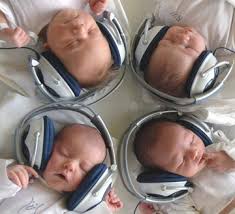
Is it true that you can use music to prevent or cure ailments? the answer is... yes! Music therapy is a form of healing that uses music to provide care to
patients, in a manner that is outside of the box. While this is different from
routine physical therapy or prescribing medicine, it should not be thought of
as a form of alternative medicine. Clinical studies can vouch for the health
benefits of a medically approved music therapy regimen. The beauty of music
therapy is that it helps people in a physical, mental, emotional and social
way.
Therapists use music therapy in a variety of ways, including having people
sing along to the music, meditate and relax while music plays and conduct
various exercises and movements with music as the catalyst. When played in
conjunction with a person's thoughts or movements, music therapy can help to
improve everything from a patient's speech to their memory and physical
balance. It also provides emotional healing, helping people to develop positive
self-image and aids in prioritizing stress and pain. Music also helps people
take their mind off of physical pain, which can help them cope with a number of
ailments.
Solid medical research supports the concept that music is healthy for the
mind, as it stimulates brain waves. The brain is no different from any other organ,
in that when it is exercised, it becomes sharper, stronger and more useful.
Stimulating the brain via music is the equivalent of developing a stronger
heart through cardiovascular exercises. Music directly affects brain waves, as
stronger and faster rhythms make people more alert, while slower music can help
people meditate and relax. This healthy calming and focusing affect helps
people develop a positive mind state, while also reducing stress, which lowers
blood pressure.
Music therapy is a very faceted field, with professionally licensed
therapists working in a number of sectors, including schools, prisons,
physicians' offices, motivational and training practices and more. It's also
important to understand that patients do not need to have a musical background
of any sort and don't need to be musically inclined in order to participate in
music therapy sessions. Their bodies and minds respond to music, so therapy
sessions will pay dividends and help soothe their pain or cure a number of
mental and physical ailments. Music therapy has been successfully used to help
patients of general stress, cancer, speech impediments, high blood pressure and
heart problems, mental disorders and a number of other issues. It is a holistic
health approach, as it incorporates a number of mental and physical processes.
During sessions, music therapists can tailor their music and expertise to a
patients' particular situation. In one session, a therapist might prepare the
music and evaluate the patient, while another session might involve the patient
picking and bringing in music that they already like, while the therapist leads
them in singing, creating and improvising, or conduct exercises to the music.
These therapists must be versed in music, and board certified. Typically, these
music therapists receive undergraduate degrees in music therapy and complete a
number of clinical hours and examinations. Music therapy is an intriguing
field, due to its medical properties and all-encompassing practice. Regardless
of what type of symptom or ailment a person is dealing with, there is a good
chance that music therapists can provide some sort of aid.
Music
therapy is a form of healing that uses music to provide care to
patients, in a manner that is outside of the box. While this is
different than routine physical therapy or prescribing medicine, it
should not be thought of as a form of alternative medicine. Clinical
studies can vouch for the health benefits of a medically approved music
therapy regimen. The beauty of music therapy is that it helps people in a
physical, mental, emotional and social way.
Therapists use music therapy in a variety of ways, including having
people sing along to the music, meditate and relax while music plays and
conduct various exercises and movements with music as the catalyst.
When played in conjunction with a person's thoughts or movements, music
therapy can help to improve everything from a patient's speech to their
memory and physical balance. It also provides emotional healing, helping
people to develop positive self-image and aids in prioritizing stress
and pain. Music also helps people take their mind off of physical pain,
which can help them cope with a number of ailments.
Solid medical research supports the concept that music is healthy for
the mind, as it stimulates brain waves. The brain is no different than
any organ, in that when it is exercised, it becomes sharper, stronger
and more useful. Stimulating the brain via music is the equivalent of
developing a stronger heart through cardiovascular exercises. Music
directly affects brain waves, as stronger and faster rhythms make people
more alert, while slower music can help people meditate and relax. This
healthy calming and focusing affect helps people develop a positive
mind state, while also reducing stress, which lowers blood pressure.
Music therapy is a very faceted field, with professionally licensed
therapists working in a number of sectors, including schools, prisons,
physicians' offices, motivational and training practices and more. It's
also important to understand that patients do not need to have a musical
background of any sort and don't need to be musically inclined in order
to participate in music therapy sessions. Their bodies and minds
respond to music, so therapy sessions will pay dividends and help soothe
their pain or cure a number of mental and physical ailments. Music
therapy has been successfully used to help patients of general stress,
cancer, speech impediments, high blood pressure and heart problems,
mental disorders and a number of other issues. It is a holistic health
approach, as it incorporates a number of mental and physical processes.
During sessions, music therapists can tailor their music and expertise
to a patients' particular situation. In one session, a therapist might
prepare the music and evaluate the patient, while another session might
involve the patient picking and bringing in music that they already
like, while the therapist leads them in singing, creating and
improvising, or conduct exercises to the music. These therapists must be
versed in music, and board certified. Typically, these music therapists
receive undergraduate degrees in music therapy and complete a number of
clinical hours and examinations. Music therapy is an intriguing field,
due to its medical properties and all-encompassing practice. Regardless
of what type of symptom or ailment a person is dealing with, there is a
good chance that music therapists can provide some sort of aid.
- See more at: https://www.cprcertified.com/health-benefits-of-music-therapy#sthash.leGmgslm.dpuf
Music
therapy is a form of healing that uses music to provide care to
patients, in a manner that is outside of the box. While this is
different than routine physical therapy or prescribing medicine, it
should not be thought of as a form of alternative medicine. Clinical
studies can vouch for the health benefits of a medically approved music
therapy regimen. The beauty of music therapy is that it helps people in a
physical, mental, emotional and social way.
Therapists use music therapy in a variety of ways, including having
people sing along to the music, meditate and relax while music plays and
conduct various exercises and movements with music as the catalyst.
When played in conjunction with a person's thoughts or movements, music
therapy can help to improve everything from a patient's speech to their
memory and physical balance. It also provides emotional healing, helping
people to develop positive self-image and aids in prioritizing stress
and pain. Music also helps people take their mind off of physical pain,
which can help them cope with a number of ailments.
Solid medical research supports the concept that music is healthy for
the mind, as it stimulates brain waves. The brain is no different than
any organ, in that when it is exercised, it becomes sharper, stronger
and more useful. Stimulating the brain via music is the equivalent of
developing a stronger heart through cardiovascular exercises. Music
directly affects brain waves, as stronger and faster rhythms make people
more alert, while slower music can help people meditate and relax. This
healthy calming and focusing affect helps people develop a positive
mind state, while also reducing stress, which lowers blood pressure.
Music therapy is a very faceted field, with professionally licensed
therapists working in a number of sectors, including schools, prisons,
physicians' offices, motivational and training practices and more. It's
also important to understand that patients do not need to have a musical
background of any sort and don't need to be musically inclined in order
to participate in music therapy sessions. Their bodies and minds
respond to music, so therapy sessions will pay dividends and help soothe
their pain or cure a number of mental and physical ailments. Music
therapy has been successfully used to help patients of general stress,
cancer, speech impediments, high blood pressure and heart problems,
mental disorders and a number of other issues. It is a holistic health
approach, as it incorporates a number of mental and physical processes.
During sessions, music therapists can tailor their music and expertise
to a patients' particular situation. In one session, a therapist might
prepare the music and evaluate the patient, while another session might
involve the patient picking and bringing in music that they already
like, while the therapist leads them in singing, creating and
improvising, or conduct exercises to the music. These therapists must be
versed in music, and board certified. Typically, these music therapists
receive undergraduate degrees in music therapy and complete a number of
clinical hours and examinations. Music therapy is an intriguing field,
due to its medical properties and all-encompassing practice. Regardless
of what type of symptom or ailment a person is dealing with, there is a
good chance that music therapists can provide some sort of aid.
- See more at: https://www.cprcertified.com/health-benefits-of-music-therapy#sthash.leGmgslm.dpuf
Music
therapy is a form of healing that uses music to provide care to
patients, in a manner that is outside of the box. While this is
different than routine physical therapy or prescribing medicine, it
should not be thought of as a form of alternative medicine. Clinical
studies can vouch for the health benefits of a medically approved music
therapy regimen. The beauty of music therapy is that it helps people in a
physical, mental, emotional and social way.
Therapists use music therapy in a variety of ways, including having
people sing along to the music, meditate and relax while music plays and
conduct various exercises and movements with music as the catalyst.
When played in conjunction with a person's thoughts or movements, music
therapy can help to improve everything from a patient's speech to their
memory and physical balance. It also provides emotional healing, helping
people to develop positive self-image and aids in prioritizing stress
and pain. Music also helps people take their mind off of physical pain,
which can help them cope with a number of ailments.
Solid medical research supports the concept that music is healthy for
the mind, as it stimulates brain waves. The brain is no different than
any organ, in that when it is exercised, it becomes sharper, stronger
and more useful. Stimulating the brain via music is the equivalent of
developing a stronger heart through cardiovascular exercises. Music
directly affects brain waves, as stronger and faster rhythms make people
more alert, while slower music can help people meditate and relax. This
healthy calming and focusing affect helps people develop a positive
mind state, while also reducing stress, which lowers blood pressure.
Music therapy is a very faceted field, with professionally licensed
therapists working in a number of sectors, including schools, prisons,
physicians' offices, motivational and training practices and more. It's
also important to understand that patients do not need to have a musical
background of any sort and don't need to be musically inclined in order
to participate in music therapy sessions. Their bodies and minds
respond to music, so therapy sessions will pay dividends and help soothe
their pain or cure a number of mental and physical ailments. Music
therapy has been successfully used to help patients of general stress,
cancer, speech impediments, high blood pressure and heart problems,
mental disorders and a number of other issues. It is a holistic health
approach, as it incorporates a number of mental and physical processes.
During sessions, music therapists can tailor their music and expertise
to a patients' particular situation. In one session, a therapist might
prepare the music and evaluate the patient, while another session might
involve the patient picking and bringing in music that they already
like, while the therapist leads them in singing, creating and
improvising, or conduct exercises to the music. These therapists must be
versed in music, and board certified. Typically, these music therapists
receive undergraduate degrees in music therapy and complete a number of
clinical hours and examinations. Music therapy is an intriguing field,
due to its medical properties and all-encompassing practice. Regardless
of what type of symptom or ailment a person is dealing with, there is a
good chance that music therapists can provide some sort of aid.
- See more at: https://www.cprcertified.com/health-benefits-of-music-therapy#sthash.leGmgslm.dpuf
Music
therapy is a form of healing that uses music to provide care to
patients, in a manner that is outside of the box. While this is
different than routine physical therapy or prescribing medicine, it
should not be thought of as a form of alternative medicine. Clinical
studies can vouch for the health benefits of a medically approved music
therapy regimen. The beauty of music therapy is that it helps people in a
physical, mental, emotional and social way.
Therapists use music therapy in a variety of ways, including having
people sing along to the music, meditate and relax while music plays and
conduct various exercises and movements with music as the catalyst.
When played in conjunction with a person's thoughts or movements, music
therapy can help to improve everything from a patient's speech to their
memory and physical balance. It also provides emotional healing, helping
people to develop positive self-image and aids in prioritizing stress
and pain. Music also helps people take their mind off of physical pain,
which can help them cope with a number of ailments.
Solid medical research supports the concept that music is healthy for
the mind, as it stimulates brain waves. The brain is no different than
any organ, in that when it is exercised, it becomes sharper, stronger
and more useful. Stimulating the brain via music is the equivalent of
developing a stronger heart through cardiovascular exercises. Music
directly affects brain waves, as stronger and faster rhythms make people
more alert, while slower music can help people meditate and relax. This
healthy calming and focusing affect helps people develop a positive
mind state, while also reducing stress, which lowers blood pressure.
Music therapy is a very faceted field, with professionally licensed
therapists working in a number of sectors, including schools, prisons,
physicians' offices, motivational and training practices and more. It's
also important to understand that patients do not need to have a musical
background of any sort and don't need to be musically inclined in order
to participate in music therapy sessions. Their bodies and minds
respond to music, so therapy sessions will pay dividends and help soothe
their pain or cure a number of mental and physical ailments. Music
therapy has been successfully used to help patients of general stress,
cancer, speech impediments, high blood pressure and heart problems,
mental disorders and a number of other issues. It is a holistic health
approach, as it incorporates a number of mental and physical processes.
During sessions, music therapists can tailor their music and expertise
to a patients' particular situation. In one session, a therapist might
prepare the music and evaluate the patient, while another session might
involve the patient picking and bringing in music that they already
like, while the therapist leads them in singing, creating and
improvising, or conduct exercises to the music. These therapists must be
versed in music, and board certified. Typically, these music therapists
receive undergraduate degrees in music therapy and complete a number of
clinical hours and examinations. Music therapy is an intriguing field,
due to its medical properties and all-encompassing practice. Regardless
of what type of symptom or ailment a person is dealing with, there is a
good chance that music therapists can provide some sort of aid.
- See more at: https://www.cprcertified.com/health-benefits-of-music-therapy#sthash.leGmgslm.dpuf
Music
therapy is a form of healing that uses music to provide care to
patients, in a manner that is outside of the box. While this is
different than routine physical therapy or prescribing medicine, it
should not be thought of as a form of alternative medicine. Clinical
studies can vouch for the health benefits of a medically approved music
therapy regimen. The beauty of music therapy is that it helps people in a
physical, mental, emotional and social way.
Therapists use music therapy in a variety of ways, including having
people sing along to the music, meditate and relax while music plays and
conduct various exercises and movements with music as the catalyst.
When played in conjunction with a person's thoughts or movements, music
therapy can help to improve everything from a patient's speech to their
memory and physical balance. It also provides emotional healing, helping
people to develop positive self-image and aids in prioritizing stress
and pain. Music also helps people take their mind off of physical pain,
which can help them cope with a number of ailments.
Solid medical research supports the concept that music is healthy for
the mind, as it stimulates brain waves. The brain is no different than
any organ, in that when it is exercised, it becomes sharper, stronger
and more useful. Stimulating the brain via music is the equivalent of
developing a stronger heart through cardiovascular exercises. Music
directly affects brain waves, as stronger and faster rhythms make people
more alert, while slower music can help people meditate and relax. This
healthy calming and focusing affect helps people develop a positive
mind state, while also reducing stress, which lowers blood pressure.
Music therapy is a very faceted field, with professionally licensed
therapists working in a number of sectors, including schools, prisons,
physicians' offices, motivational and training practices and more. It's
also important to understand that patients do not need to have a musical
background of any sort and don't need to be musically inclined in order
to participate in music therapy sessions. Their bodies and minds
respond to music, so therapy sessions will pay dividends and help soothe
their pain or cure a number of mental and physical ailments. Music
therapy has been successfully used to help patients of general stress,
cancer, speech impediments, high blood pressure and heart problems,
mental disorders and a number of other issues. It is a holistic health
approach, as it incorporates a number of mental and physical processes.
During sessions, music therapists can tailor their music and expertise
to a patients' particular situation. In one session, a therapist might
prepare the music and evaluate the patient, while another session might
involve the patient picking and bringing in music that they already
like, while the therapist leads them in singing, creating and
improvising, or conduct exercises to the music. These therapists must be
versed in music, and board certified. Typically, these music therapists
receive undergraduate degrees in music therapy and complete a number of
clinical hours and examinations. Music therapy is an intriguing field,
due to its medical properties and all-encompassing practice. Regardless
of what type of symptom or ailment a person is dealing with, there is a
good chance that music therapists can provide some sort of aid.
- See more at: https://www.cprcertified.com/health-benefits-of-music-therapy#sthash.leGmgslm.dpuf
Music
therapy is a form of healing that uses music to provide care to
patients, in a manner that is outside of the box. While this is
different than routine physical therapy or prescribing medicine, it
should not be thought of as a form of alternative medicine. Clinical
studies can vouch for the health benefits of a medically approved music
therapy regimen. The beauty of music therapy is that it helps people in a
physical, mental, emotional and social way.
Therapists use music therapy in a variety of ways, including having
people sing along to the music, meditate and relax while music plays and
conduct various exercises and movements with music as the catalyst.
When played in conjunction with a person's thoughts or movements, music
therapy can help to improve everything from a patient's speech to their
memory and physical balance. It also provides emotional healing, helping
people to develop positive self-image and aids in prioritizing stress
and pain. Music also helps people take their mind off of physical pain,
which can help them cope with a number of ailments.
Solid medical research supports the concept that music is healthy for
the mind, as it stimulates brain waves. The brain is no different than
any organ, in that when it is exercised, it becomes sharper, stronger
and more useful. Stimulating the brain via music is the equivalent of
developing a stronger heart through cardiovascular exercises. Music
directly affects brain waves, as stronger and faster rhythms make people
more alert, while slower music can help people meditate and relax. This
healthy calming and focusing affect helps people develop a positive
mind state, while also reducing stress, which lowers blood pressure.
Music therapy is a very faceted field, with professionally licensed
therapists working in a number of sectors, including schools, prisons,
physicians' offices, motivational and training practices and more. It's
also important to understand that patients do not need to have a musical
background of any sort and don't need to be musically inclined in order
to participate in music therapy sessions. Their bodies and minds
respond to music, so therapy sessions will pay dividends and help soothe
their pain or cure a number of mental and physical ailments. Music
therapy has been successfully used to help patients of general stress,
cancer, speech impediments, high blood pressure and heart problems,
mental disorders and a number of other issues. It is a holistic health
approach, as it incorporates a number of mental and physical processes.
During sessions, music therapists can tailor their music and expertise
to a patients' particular situation. In one session, a therapist might
prepare the music and evaluate the patient, while another session might
involve the patient picking and bringing in music that they already
like, while the therapist leads them in singing, creating and
improvising, or conduct exercises to the music. These therapists must be
versed in music, and board certified. Typically, these music therapists
receive undergraduate degrees in music therapy and complete a number of
clinical hours and examinations. Music therapy is an intriguing field,
due to its medical properties and all-encompassing practice. Regardless
of what type of symptom or ailment a person is dealing with, there is a
good chance that music therapists can provide some sort of aid.
- See more at: https://www.cprcertified.com/health-benefits-of-music-therapy#sthash.leGmgslm.dpuf
Music
therapy is a form of healing that uses music to provide care to
patients, in a manner that is outside of the box. While this is
different than routine physical therapy or prescribing medicine, it
should not be thought of as a form of alternative medicine. Clinical
studies can vouch for the health benefits of a medically approved music
therapy regimen. The beauty of music therapy is that it helps people in a
physical, mental, emotional and social way.
Therapists use music therapy in a variety of ways, including having
people sing along to the music, meditate and relax while music plays and
conduct various exercises and movements with music as the catalyst.
When played in conjunction with a person's thoughts or movements, music
therapy can help to improve everything from a patient's speech to their
memory and physical balance. It also provides emotional healing, helping
people to develop positive self-image and aids in prioritizing stress
and pain. Music also helps people take their mind off of physical pain,
which can help them cope with a number of ailments.
Solid medical research supports the concept that music is healthy for
the mind, as it stimulates brain waves. The brain is no different than
any organ, in that when it is exercised, it becomes sharper, stronger
and more useful. Stimulating the brain via music is the equivalent of
developing a stronger heart through cardiovascular exercises. Music
directly affects brain waves, as stronger and faster rhythms make people
more alert, while slower music can help people meditate and relax. This
healthy calming and focusing affect helps people develop a positive
mind state, while also reducing stress, which lowers blood pressure.
Music therapy is a very faceted field, with professionally licensed
therapists working in a number of sectors, including schools, prisons,
physicians' offices, motivational and training practices and more. It's
also important to understand that patients do not need to have a musical
background of any sort and don't need to be musically inclined in order
to participate in music therapy sessions. Their bodies and minds
respond to music, so therapy sessions will pay dividends and help soothe
their pain or cure a number of mental and physical ailments. Music
therapy has been successfully used to help patients of general stress,
cancer, speech impediments, high blood pressure and heart problems,
mental disorders and a number of other issues. It is a holistic health
approach, as it incorporates a number of mental and physical processes.
During sessions, music therapists can tailor their music and expertise
to a patients' particular situation. In one session, a therapist might
prepare the music and evaluate the patient, while another session might
involve the patient picking and bringing in music that they already
like, while the therapist leads them in singing, creating and
improvising, or conduct exercises to the music. These therapists must be
versed in music, and board certified. Typically, these music therapists
receive undergraduate degrees in music therapy and complete a number of
clinical hours and examinations. Music therapy is an intriguing field,
due to its medical properties and all-encompassing practice. Regardless
of what type of symptom or ailment a person is dealing with, there is a
good chance that music therapists can provide some sort of aid.
- See more at: https://www.cprcertified.com/health-benefits-of-music-therapy#sthash.leGmgslm.dpuf