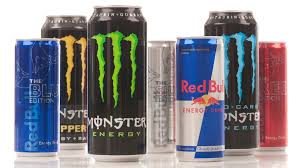
Energy Drinks could Damage Blood Vessels - New Findings

Researchers say caffeine - laden energy drinks may make the blood vessels of its consumers less efficient. Findings of a new study presented at a meeting of the American Heart Association (AHA) in Chicago on November 12, showed that energy drinks reduced the diameter of blood vessels and in effect, restricted blood flow and oxygen delivery to various parts of the body.

Therefore, people under 18 years, women who are pregnant or breastfeeding, caffeine-sensitive individuals and those taking stimulants or caffeine-based drugs or those with heart disease should stay away from energy drinks, warned the lead researcher of the study, Dr. John Higgins, who is a professor of medicine at McGovern Medical School at the University of Texas Health Science Center in Houston. Previous studies have showed that energy drinks have been linked to heart, nerve and stomach problems.

This negative effect on blood vessels may be related to ingredients in the energy drink, such as caffeine, taurine, sugar and other herbals, the researchers suggested.

Taurine is an amino acid touted as increasing energy and was originally extracted from bull semen — hence the name Red Bull, the researchers said.

Reacting to the development, lead researcher Dr. John Higgins who is a professor of medicine at McGovern Medical School at the University of Texas Health Science Centre in Houston, lamented that a lot of young kids use energy drinks when they exercise, a time when arterial function is at its top. On the contrary, he said, “Exercise and sports require maximum blood flow so oxygen can get to cells quickly.

“It’s more work for the heart and less oxygen supply for the heart. This could explain why there have been cases where kids have had a cardiac arrest after an energy drink.” Plus, people often chug energy drinks so they get the full effect in one shot, and that might be dangerous, Higgins said.

Speaking further, Higgins warned, “These drinks are not intended for children. The study included 44 healthy, non-smoking medical students in their 20s.

The researchers tested the effect of a 24-ounce energy drink on cells lining blood vessels, called endothelial cells. The function of these cells was tested before and after the participants consumed the energy drink, and again 90 minutes later. The researchers looked at artery flow-mediated dilation — an ultrasound measurement that is an indicator of overall blood vessel health.

Improve Your Brain Health With A Diet of Cucumber

Cucumbers belong to the same plant family as squash, pumpkin, and watermelon (the Cucurbitaceae family). Like watermelon, cucumbers are made up of mostly (95 percent) water, which means eating them on a hot day can help you stay hydrated. However, there's reason to eat cucumbers all year long. With vitamin K, B vitamins, copper, potassium, vitamin C, and manganese, cucumbers can help you to avoid nutrient deficiencies that are widespread among those eating typical diet.

Cucumbers contain an anti-inflammatory flavonol called fisetin that appears to play an important role in brain health. In addition to improving your memory and protecting your nerve cells from age-related decline, fisetin has been found to prevent progressive memory and learning impairments in mice with Alzheimer's disease. Cucumbers contain polyphenols called lignans (pinoresinol, lariciresinol, and secoisolariciresinol), which may help to lower your risk of breast, uterine, ovarian, and prostate cancers.

Cucumbers may help to "cool" the inflammatory response in your body. And animal studies suggest that cucumber extract helps reduce unwanted inflammation, in part by inhibiting the activity of pro-inflammatory enzymes (including cyclo-oxygenase 2, or COX-2). Cucumbers contain numerous antioxidants, including the well-known vitamin C and beta-carotene. They also contain antioxidant flavonoids, such as quercetin, apigenin, luteolin, and kaempferol, which provide additional benefits.  

Placing a cucumber slice on the roof of your mouth may help to rid your mouth of odor-causing bacteria. According to the principles of Ayurveda, eating cucumbers may also help to release excess heat in your stomach, which is said to be a primary cause of bad breath. Cucumbers contain multiple B vitamins, including vitamin B1, vitamin B5, and vitamin B7 (biotin). B vitamins are known to help ease feelings of anxiety and buffer some of the damaging effects of stress. 

Cucumbers are rich in two of the most basic elements needed for healthy digestion: water and fiber. If you struggle with acid reflux, you should know that drinking water can help suppress acute symptoms of acid reflux by temporarily raising stomach pH; it's possible that water-rich cucumbers may have a similar effect. Cucumber skins contain insoluble fiber, which helps add bulk to your stool. This helps food to move through your digestive tract more quickly for healthy elimination. 

Cucumbers are very low in calories, yet they make a filling snack (one cup of sliced cucumber contains just 16 calories). The soluble fiber in cucumbers dissolves into a gel-like texture in your gut, helping to slow down your digestion. This helps you to feel full longer and is one reason why fiber-rich foods may help with weight control. 

Cucumbers contain potassium, which is associated with lower blood pressure levels. A proper balance of potassium both inside and outside your cells is crucial for your body to function properly. As an electrolyte, potassium is a positive charged ion that must maintain a certain concentration (about 30 times higher inside than outside your cells) in order to carry out its functions, which includes interacting with sodium to help control nerve impulse transmission, muscle contraction, and heart function.   

There are many ways to enjoy cucumbers, such as fermented or raw in vinegar-based salads. If you're looking for something different, cucumbers make an ideal base for your vegetable juice due to their mild flavor and high water content. In fact, a simple juice of cucumber and celery is ideal for those new to juicing. From there you can work your way up to red leaf lettuce, romaine lettuce, spinach, and escarole, along with parsley and cilantro. Juicing is actually an ideal way to consume cucumbers.

When you drink fresh-made green juice, it is almost like receiving an intravenous infusion of vitamins, minerals, and enzymes because they go straight into your system without having to be broken down. When your body has an abundance of the nutrients it needs, and your pH is optimally balanced, you will feel energized and your immune system will get a boost. 

If you're wondering whether you should choose organic cucumbers over conventionally grown varieties, It is suggested that you choose organic. Cucumbers were ranked the 12th most contaminated food and the second in cancer risk due to their pesticide content, according to the Environmental Working Group (EWG). Further, cucumbers are often waxed after harvest to withstand the long journey to market unscarred and to protect against the many hands that touch them. Therefore, it is better to chose organic Cucumbers than these other varieties.

Crash Diets Raise Risk Of Belly Fat

Experts in the United States (US) have raised the alarm over the negative health impact of crash diets, saying they cause short-term changes in the body that may lead to long-term health consequences, including more abdominal fat. The new study, which was conducted by researchers at Georgetown University in Washington DC, was released by the American Physiological Society.
Crash diets are those diets by which individuals try to lose weight rapidly in a short span of time. According to the American Acedemy of Family Physicians (AAFP), the fad and crash diets promise significant weight loss, often in a short period of time. These diets might drastically change the way a consumer eats, restricting certain food groups or only allowing the fellow to eat the same foods repeatedly.

They might also involve cleanses like the Lemonade Diet, where the consumer can only drink “lemonade” made from lemon juice, maple syrup, and cayenne pepper for 10 days. Going by the new study, the researchers fed female rats with a diet that contained 60 per cent fewer calories than their normal diet — the human equivalent of going from 2,000 calories a day to an 800-calorie diet. Consequently, the diet quickly caused a decrease in body weight, blood pressure, heart rate, and kidney function, but all returned to normal when the rats resumed their typical eating patterns, the ‘Newsmax’ reported.

However, three months after the diet ended, the rats had accumulated more abdominal fat and less muscle than the control animals, and a hormone that increases blood pressure (angiotension II) was more potent. The researchers believe that the body changes might lead to long-term health risks for people who go on crash diets. The study’s authors noted that women are more likely than men to go on crash diets, and that’s why they used female rats. Offering other insights into why crash diets may not be the way to go, Lori Noble, MD, a physician at the The University of Pennsylvania Health System in Philadelphia said crash diets just don’t work.

She said, “Cleanses and fad diets are very temporary,” Dr. Noble said. “They’re not going to help you burn calories or fat in the long run. You may see a decrease in the number on the scale, but it won’t improve your overall health outcomes.” Weight lost during a crash diet is likely from lean muscle and water, not body fat, according to the AAFP. “I don’t like to tell patients to 'diet',” Dr. Noble said, adding, “There is no quick fix to lose weight quickly; so, planning is so important.”

HIV Drugs Can Eliminate Alzheimer’s Disease – Study

A new research has found that an HIV enzyme plays a crucial role in driving Alzheimer’s- related brain pathology by altering the APP gene.

The findings warrant “immediate clinical evaluation of HIV antiretroviral therapies in people with Alzheimer’s disease,” according to the authors of the study.

The new study published in the journal ‘Nature’, offers unprecedented revelations into the APP gene, which provides instructions for making a protein called amyloid precursor protein.

This protein is found in many tissues and organs, including the brain. Mutations in this gene have been implicated in Alzheimer’s.

Alzheimer’s is a type of dementia that causes problems with memory, thinking and behaviour. Dementia is not a specific disease.

It’s an overall term that describes a group of symptoms associated with a decline in memory or other thinking skills severe enough to reduce a person’s ability to perform everyday activities. Alzheimer’s disease accounts for 60 to 80 percent of cases.

Childhood Trauma Raises Risk Of Psychotic Experiences

Scientists in the United Kingdom (UK) said they have found a link between trauma in childhood and psychotic experiences at the age of 18.

According to a new study published in ‘JAMA Psychiatry,’ between 25 and 60 per cent of the young people who reported psychotic experiences, presenting five per cent of the sample, would not have developed these if they had not been exposed to trauma such as bullying, domestic violence or emotional neglect as a child.

Researchers used Bristol’s Children of the 90s longitudinal data to examine 4,433 participants who had clinical interviews and attended clinics at the age of 18. PHD student in the Centre for Academic Mental Health at the University of Bristol, Jazz Croft said, “The findings support that routine screening for psychotic experiences in children or young people exposed to trauma, particularly those exposed to frequent occurrences, should be considered as a way of preventing later mental health problems.”

According to him, understanding how trauma leads to psychotic experiences could lead to the development of more novel treatments for psychosis.

Trauma is a type of damage to the mind that occurs as a result of a distressing event. It is often the result of an overwhelming amount of stress that exceeds one’s ability to cope, or integrate the emotions involved with that experience. .

Why Sweetened Drinks Could Be Dangerous To Health - Researchers

Researchers have raised the alarm over the negative impact of sweetened drinks to health, saying they pose a greater diabetes risk than other sugary foods containing fructose, a naturally occurring sugar. According to findings of a new study review published in the British Medical Journal (BMJ), fruits and other foods containing fructose seem to have no harmful effect on blood glucose levels, while sweetened drinks and some other foods that add excess energy to diets may have harmful effects.

Researchers analysed  the results of 155 studies which suggested fruit and fruit juice – when these foods do not provide excess calories – may have beneficial effects on blood glucose and insulin control, especially in people with diabetes, a medical condition that impairs the body’s ability to process blood glucose, otherwise known as blood sugar.

Normally, the pancreas (an organ behind the stomach) releases insulin to help the body store and use the sugar and fat from the food the consumed food. Diabetes is when the pancreas does not produce any insulin called Type 1 diabetes or when the body is unable to effectively use the insulin it produces called Type 2 diabetes. Gestational diabetes causes high levels of blood sugar during pregnancy.

The leader of the study, Dr. John Sievenpiper, who is a researcher in the Clinical Nutrition and Risk Factor Modification Centre of St Michael’s Hospital in Toronto, Canada, said these findings may help guide recommendations on important food sources of fructose in the prevention and management of diabetes.

Fructose, or fruit sugar found in honey, trees, vine fruits, flowers, berries, and most root vegetables, is a simple ketonic monosaccharide found in many plants, where it is often bonded to glucose to form the disaccharide sucrose.

Eating Protein Cuts Age-Related Illnesses

British researchers said eating more protein may reduce seniors’ risk of disability and help them remain independent longer. According to the findings published recently in the ‘Journal of the American Geriatrics Society,’ dietary protein slows the age-related loss of muscle mass, helping to preserve the ability of senior citizens to do everyday tasks. Good sources of protein include meat, fish, eggs, dairy products, lentils and other beans, nuts and tofu. Tofu, also known as bean curd, is a food prepared by coagulating soy milk and then pressing the resulting curds into soft white blocks. Proteins, which are important component of every cell in the body, are essential nutrients for the human body.

Hair and nails are mostly made of protein and the body uses protein to build and repair tissues. Similarly, proteins are used to make enzymes, hormones, and other body chemicals. Protein is an important building block of bones, muscles, cartilage, skin, and blood. Principal author of the study, Nuno Mendonca, of Newcastle University, said: “Our findings support current thinking about increasing the recommended daily intake of protein to maintain active and healthy ageing.”

The researchers analysed data from more than 700 people in two United Kingdom (UK) cities who turned 85 in 2006. More than one-quarter (28 per cent) had protein intakes below the recommended dietary allowance. Following over five years of follow-up, the participants who ate more protein at the study’s start were less likely to become disabled than those who ate less protein, the study found. Older adults should eat about one gram of protein for every 2.2 pounds of body weight, Mendonca said, the Newsmaxhealth reported. That means someone weighing 160 pounds would require about 58 grams of protein a day. A 3.5-ounce serving of chicken contains about 31 grams of protein, he said.

Smoking During Pregnancy Could Lead To Early Puberty In Children

Scientists in Denmark said if a mother smoked during pregnancy, there is a risk of her children going into puberty earlier.

The findings of a major study from Aarhus University in Demark, has linked mother’s smoking during pregnancy together with when her children enter puberty. The study is published in the international journal ‘American Journal of Epidemiology’. One of the researchers behind the study Nis Brix and a PhD student, said, “We found that children of mothers who had smoked more than ten cigarettes a day during pregnancy, on average entered puberty three to six months earlier than the children of non-smokers.”

The study is one of the largest puberty studies worldwide, and the results are based on the survey “Better health for generations” from the Statens Serum Institut in Denmark. For many girls in the developed world, puberty is coming earlier than ever before, with studies showing that, on average, puberty is now starting for girls at around 10 years old – at least five years earlier than a century ago.

Puberty starts on average in girls between ages eight and13 and in boys between ages nine and 14. Doctors diagnose early puberty when this normal process starts early and continues to progress through growth spurts and bone maturation, usually for reasons we don’t understand. Girls who show significant signs of puberty and its progression before age seven and boys before age nine are considered precocious. About one out of 5,000 children are affected. A total of 15,819 pregnant women and their children participated in the study.

Nis Brix said: “Early puberty can be associated with an increased risk of a number of diseases as an adult, such as obesity, diabetes, cardiovascular diseases and certain types of cancer,” adding that together with his colleagues, he is working to identify the causes of puberty to be able to prevent it occurring.


Eating Vegetbles Could Prevent Macular Degeneration - Experts

Researchers in Australia said eating vegetable nitrates, found mainly in green leafy vegetables and beetroot, could help reduce consumers’ risk of developing early-stage age-related macular degeneration (AMD).

According to findings of the study at the Westmead Institute for Medical Research in Sydney, people who ate between 100 to 142 mgs of vegetable nitrates each day had a 35 per cent lower risk of developing early AMD than people who ate less than 69mgs of vegetable nitrates each day

To this end, the lead Re searcher, Associate Professor Bamini Gopinath, from the Westmead Institute and the University of Sydney, said the confirmation of this finding could necessitate incorporating a range of foods rich in dietary nitrates including green leafy vegetables and beetroot as a simple strategy to reduce the risk of early macular degeneration.

Macular degeneration, also known as age-related macular degeneration (AMD or ARMD), is a medical condition, which may result in blurred or no vision in the centre of the visual field. It is due to damage to the macula of the retina. Gopinath said the link between vegetable nitrates and macular degeneration could have important implications.

“Essentially, we found that people who ate 100 to 142 mgs of vegetable nitrates every day had a reduced risk of developing early signs of macular degeneration compared with people who ate fewer nitrates. Spinach has approximately 20mg of nitrate per 100g, while beetroot has nearly 15mg of nitrate per 100g. The team interviewed more than 2,000 Australian adults, aged over 49 and followed them over a 15-year period. Age is the strongest known risk factor and the disease is more likely to occur after the age of 50.

There is currently no cure for the disease. The research compiled data from the Blue Mountains Eye Study, a benchmark population-based study that started in 1992. It is one of the world’s largest epidemiology studies, measuring diet and lifestyle factors against health outcomes and a range of chronic diseases. Gopinath added: “Our research aims to understand why eye diseases occur, as well as the genetic and environmental conditions that may threaten vision.”

Chinese Drugs With Human Flesh In Nigeria - The Truth, The Half Truth

New facts have begun to emerge over the existence of Chinese drugs containing human flesh in the Nigerian market.it will be recalled that a couple of weeks ago, the Standard Organisation of Nigeria (SON)  confirmed that a Chinese drug in Nigeria markets contains human flesh.
SON made the confirmation when it received a letter sent by the National Intelligence Agency (NIA) on the unnamed Chinese drug reported to be made from human flesh.
The Intelligence Agency had alerted several relevant agencies including SON, National Agency for Food Drugs and Administration Control (NAFDAC) and the Nigerian Customs Service on the Chinese drug in circulation.
Efforts made by  to verify the name of the drug were not successful, as several calls and messages got no response.
It was not the first time that drugs from fetuses and human flesh have filtered into markets. In 2011, Chinese officials launched investigations into the production of drugs made from dead fetuses. The capsules were disguised as stamina boosters and some people believed them to be a panacea for disease.
Investigations also revealed that thousands of the same drugs were first confiscated in South Korea in 2012.
According to investigations by the NIA, the capsules were filled with powdered flesh from dead babies whose bodies were chopped into small pieces and dried on stoves before being turned into powder in North Eastern China.
“The South Korean Customs Service, on 30th September 2018 revealed that it has seized 2,751 Chinese drugs/capsules, containing human remains from foetus, infants and flesh imported into the country by some Chinese nationals,” NIA said in a statement.
“The manufacturers claim that the drugs/capsules can boost stamina, cure cancer, diabetes and some other terminal diseases.”
“The capsules were smuggled in suitcases and through international mail.”
The agency revealed that South Korean Ministry of Food and Drug Safety indicated that 18.7 billion viruses, including hepatitis B virus were found in the capsules.
It also stressed that the making of the human remain drugs and consuming them are crimes against humanity, which can also lead to serious health challenges.
The Nigeria government agency then called on other health related agencies to enlighten Nigerians to be cautious of such drugs.
“However, it is important for all relevant health regulatory agencies in Nigeria especially the Federal Ministry of Health, NAFDAC, NDLEA and SON to sensitize Nigerians of this development and warn them of the inherent dangers of patronizing drugs imported from China.”
“The Customs Service, NIPOST and other mail delivery services should also step up monitoring of cargoes and packages with drugs imported into Nigeria.”